
Selecting the right valve requires evaluating the entire pipeline system—not just the pipe size. Pressure, flow media, operating conditions and maintenance requirements all influence which valve will deliver the best long-term performance.
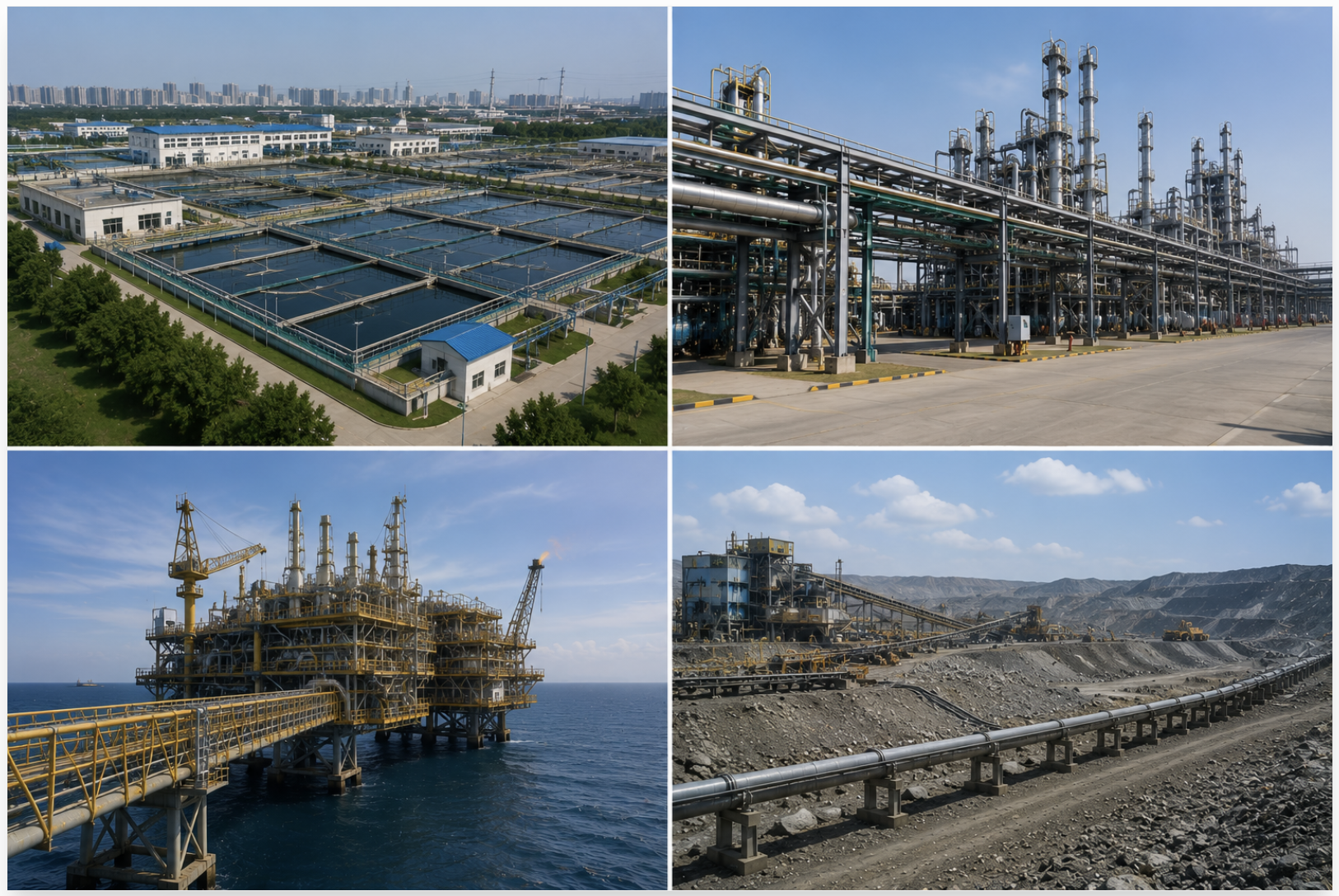
Valve selection is one of the most important decisions in pipeline design. While different valve types may appear similar, their performance can vary significantly depending on how and where they are used.
Rather than asking, “Which valve is the best?”, engineers typically ask a different question:
“Which valve is the best fit for this application?”
A well-selected valve improves reliability, reduces maintenance and supports efficient operation throughout the life of the system.
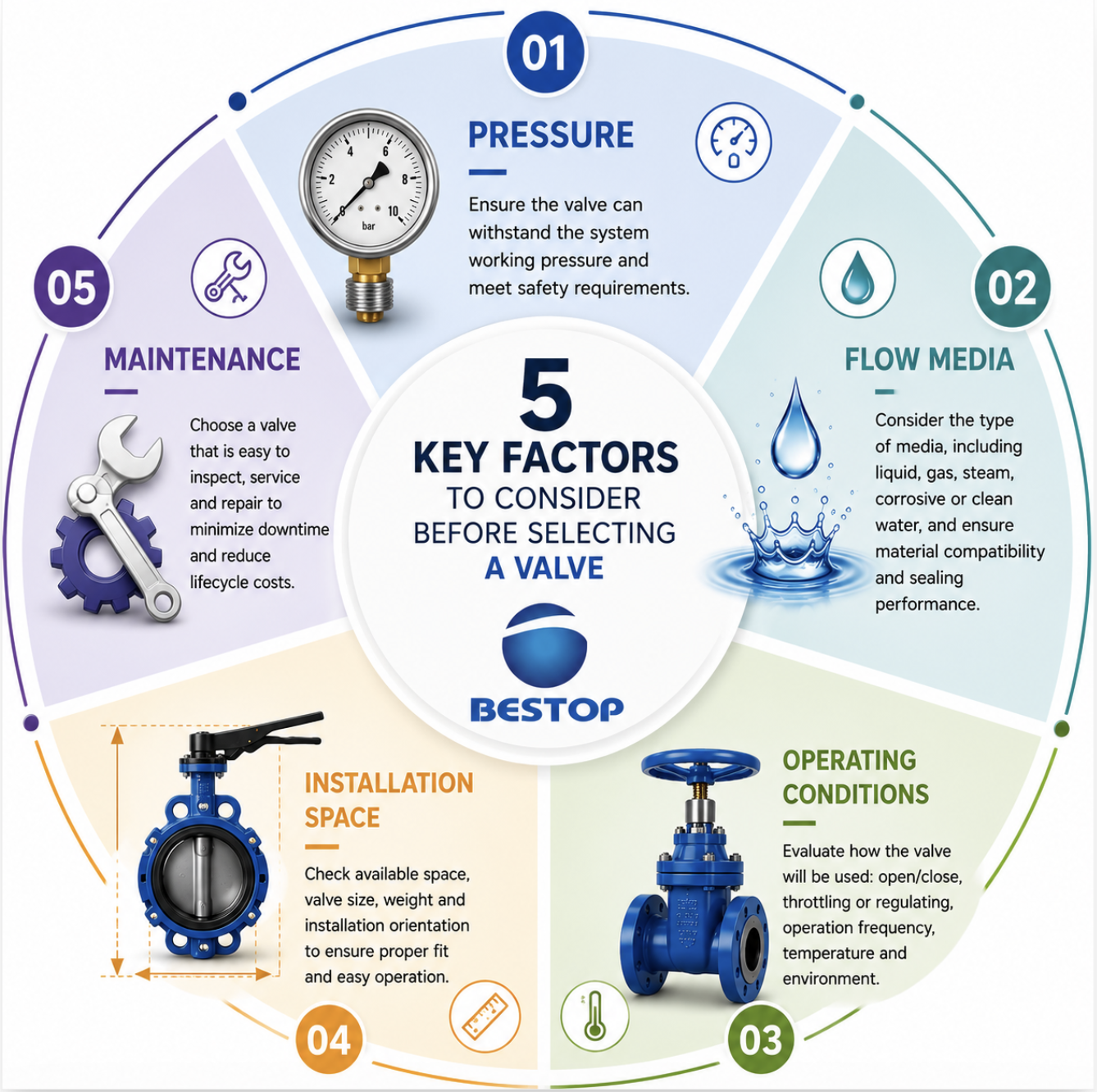
Pressure determines the valve’s required pressure class and sealing performance. Selecting a valve that matches the system’s working pressure helps ensure safe and reliable operation.
Different media place different demands on a valve.
For example:
- Clean water
- Wastewater
- Steam
- Oil
- Corrosive chemicals
Material compatibility and sealing performance should always be considered alongside the type of media flowing through the pipeline.
Consider how the valve will be used.
Will it remain fully open most of the time?
Will it be operated frequently?
Will it regulate flow or simply isolate the pipeline?
Understanding these operating conditions helps determine the most suitable valve design.
Available space can influence valve selection, particularly in underground chambers or compact equipment rooms.
Butterfly valves are often chosen where installation space is limited, while gate valves may be preferred where full-port flow is required.
Every pipeline system should be designed with long-term operation in mind.
Easy access for inspection, repair and replacement can reduce downtime and lower lifecycle costs. Considering maintenance during the design stage often leads to more reliable system performance.
Imagine two DN300 water pipelines.
Although both have the same pipe diameter, they may require different valve types.
A municipal water network with limited installation space may benefit from a butterfly valve, while a transmission pipeline where minimal pressure loss is important may be better suited to a gate valve.
The correct choice depends on the operating environment—not the pipe size alone.
At BESTOP, we believe valve selection should be based on the requirements of the entire pipeline system rather than a single specification.
By considering operating conditions, maintenance needs and project standards together, engineers can make decisions that improve system performance and reduce long-term operating costs.
Post time: Jul-29-2026