
Valve Connection Types Explained: How to Choose the Right End Connection
A valve’s end connection determines how it joins the pipeline and directly affects installation, maintenance, pressure capability and long-term reliability. The most common connection types are Flanged, Grooved, Threaded, Butt Weld, Socket Weld, Wafer and Lug, each suited to different industries and operating conditions.
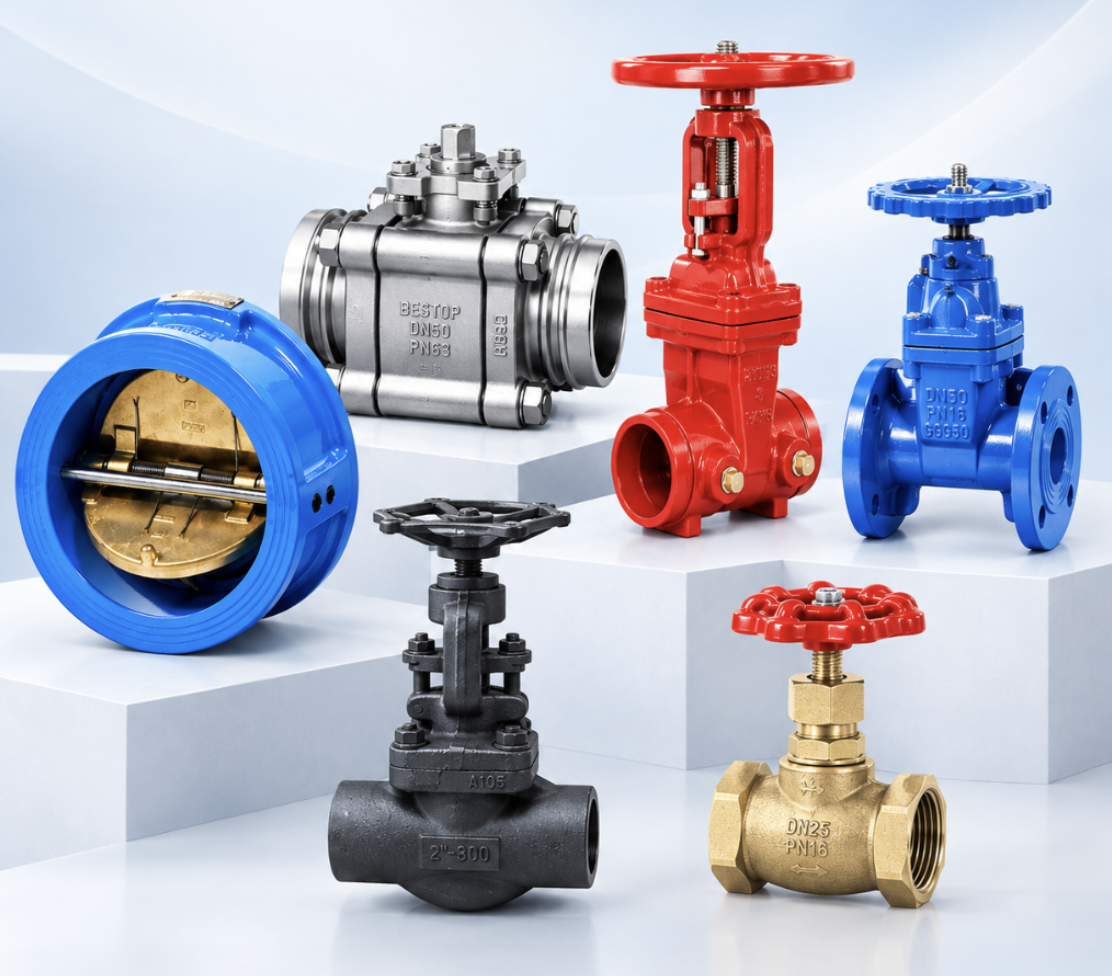
Why Valve Connection Matters
Selecting the correct valve connection is just as important as choosing the valve itself. Even if the valve size, pressure rating and material are correct, an incompatible connection can increase installation costs, complicate maintenance or reduce system reliability.
When selecting a valve connection, engineers typically consider:
- Operating pressure
- Pipe size
- Installation method
- Maintenance requirements
- Applicable piping standards
- Industry regulations
Common Valve Connection Types
Flanged
A flanged valve is bolted to matching pipe flanges with a gasket between them.
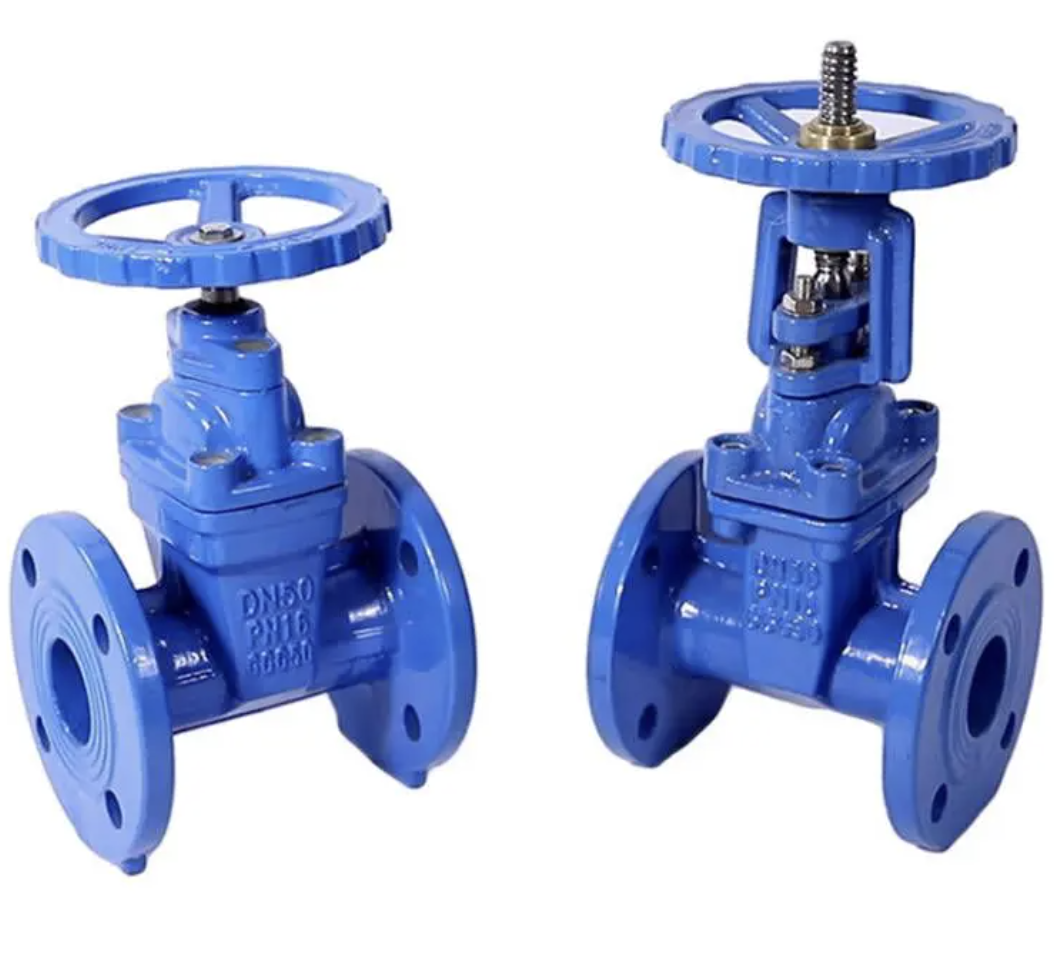
Advantages
- Easy installation and removal
- Excellent sealing
- Suitable for medium to large pipe sizes
- Ideal for systems requiring regular maintenance
Typical Applications
- Municipal water
- Water treatment
- Oil & Gas
- Chemical plants
- Industrial pipelines
Wafer
Installed between two flanges.
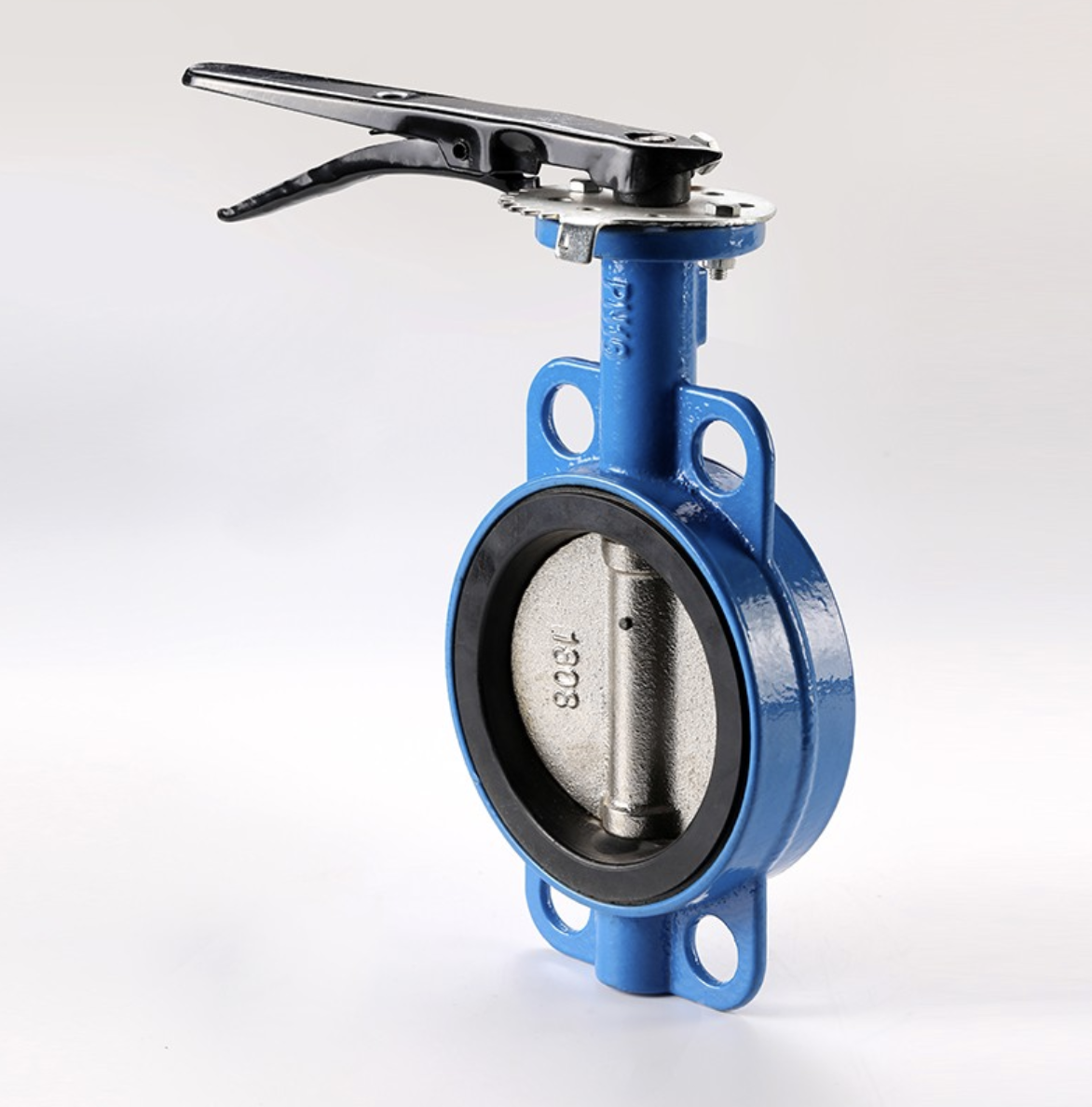
Advantages
- Lightweight
- Space-saving
- Cost-effective
Typical Applications
- Butterfly valves
- Water systems
- HVAC
Lug
The valve body contains threaded lugs allowing independent bolting.
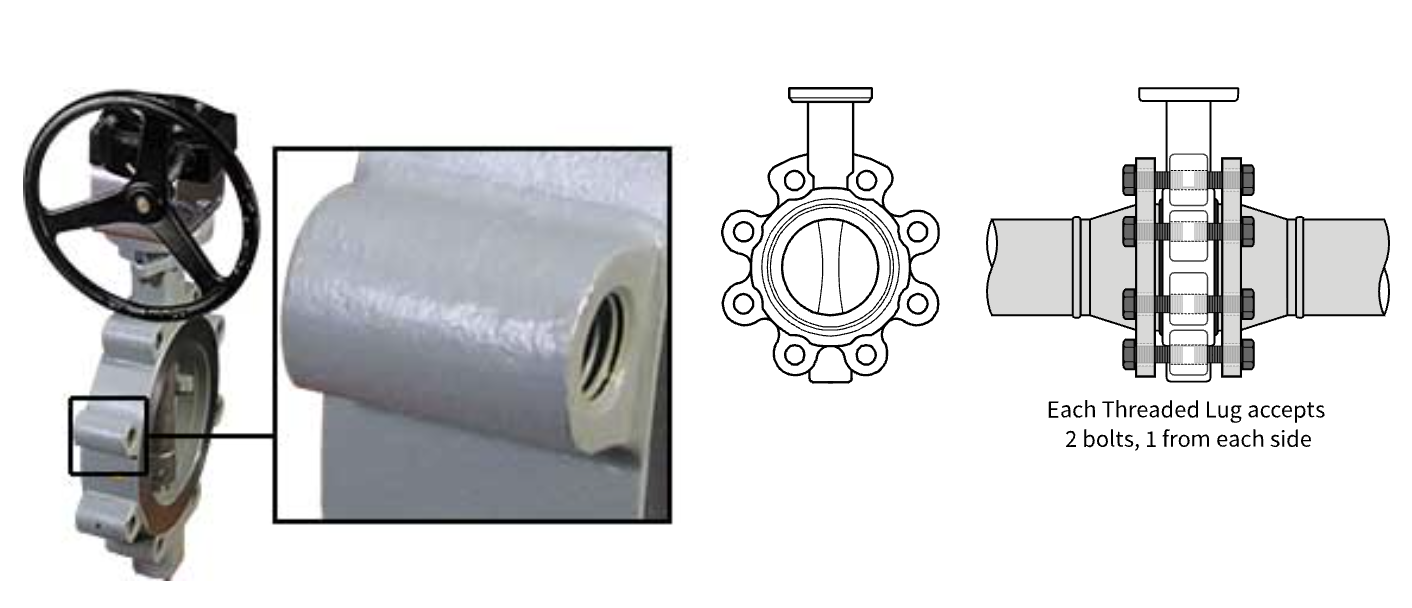
Advantages
- Supports end-of-line service
- Easier maintenance
- Greater installation flexibility
Grooved
Grooved connections use a mechanical coupling and gasket, allowing quick assembly.
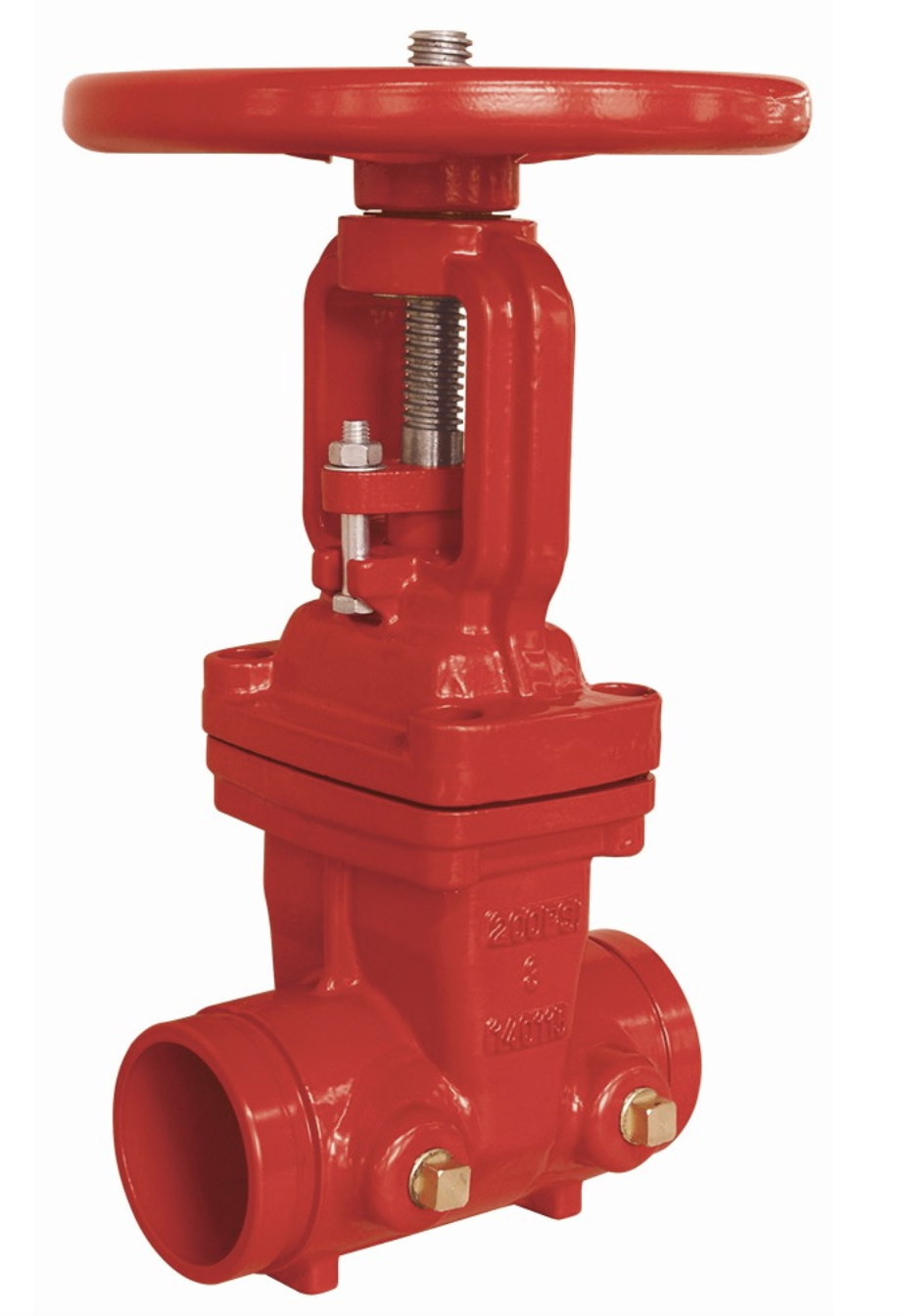
Advantages
- Fast installation
- Reduced labour costs
- Flexible connection
- Easy maintenance
Typical Applications
- Fire protection
- HVAC
- Commercial buildings
- Water distribution
Threaded
Threaded valves are connected directly to threaded pipe ends.
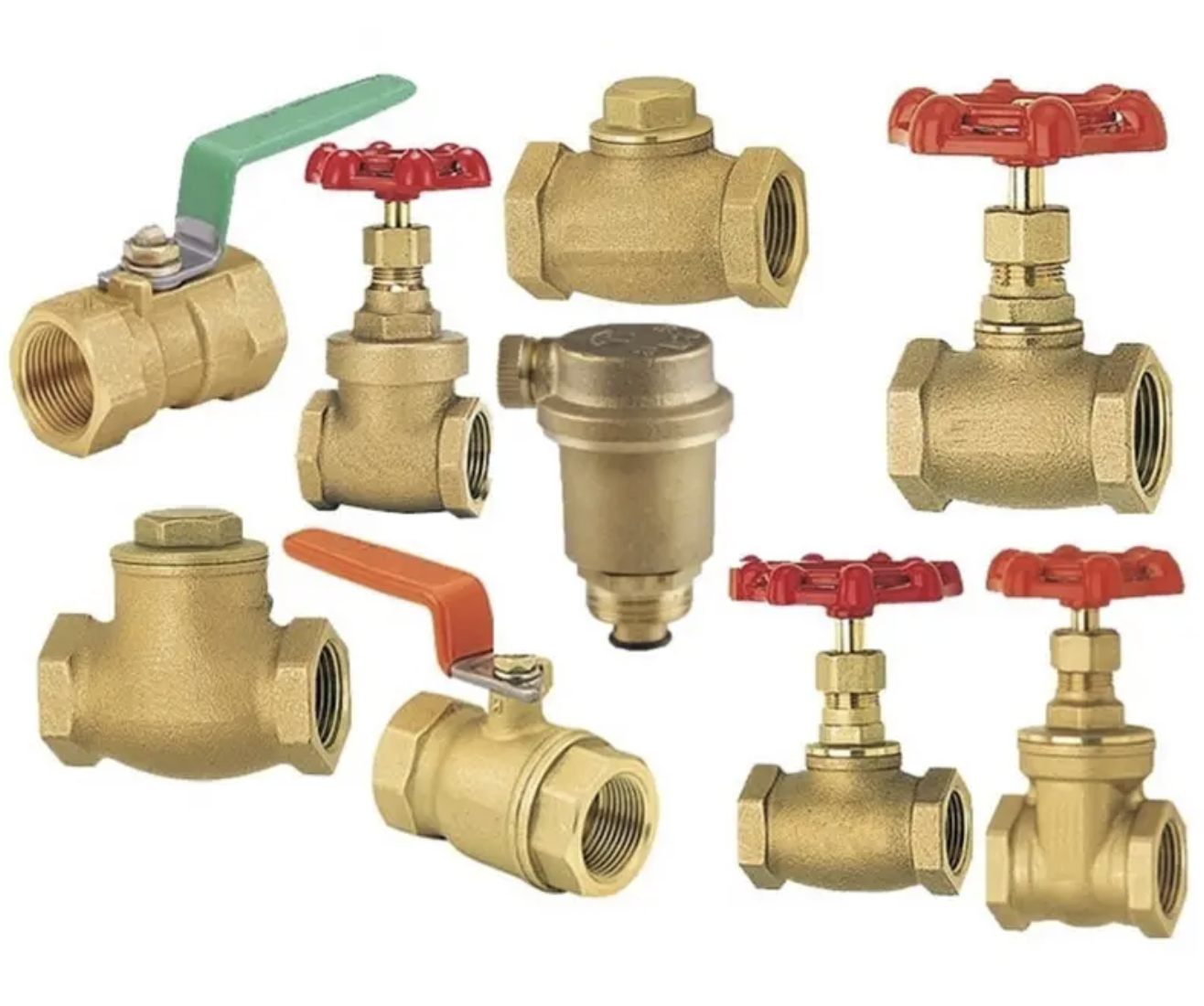
Advantages
- Compact
- Cost-effective
- No welding required
Typical Applications
- Small-diameter pipelines
- Utility services
- Instrumentation
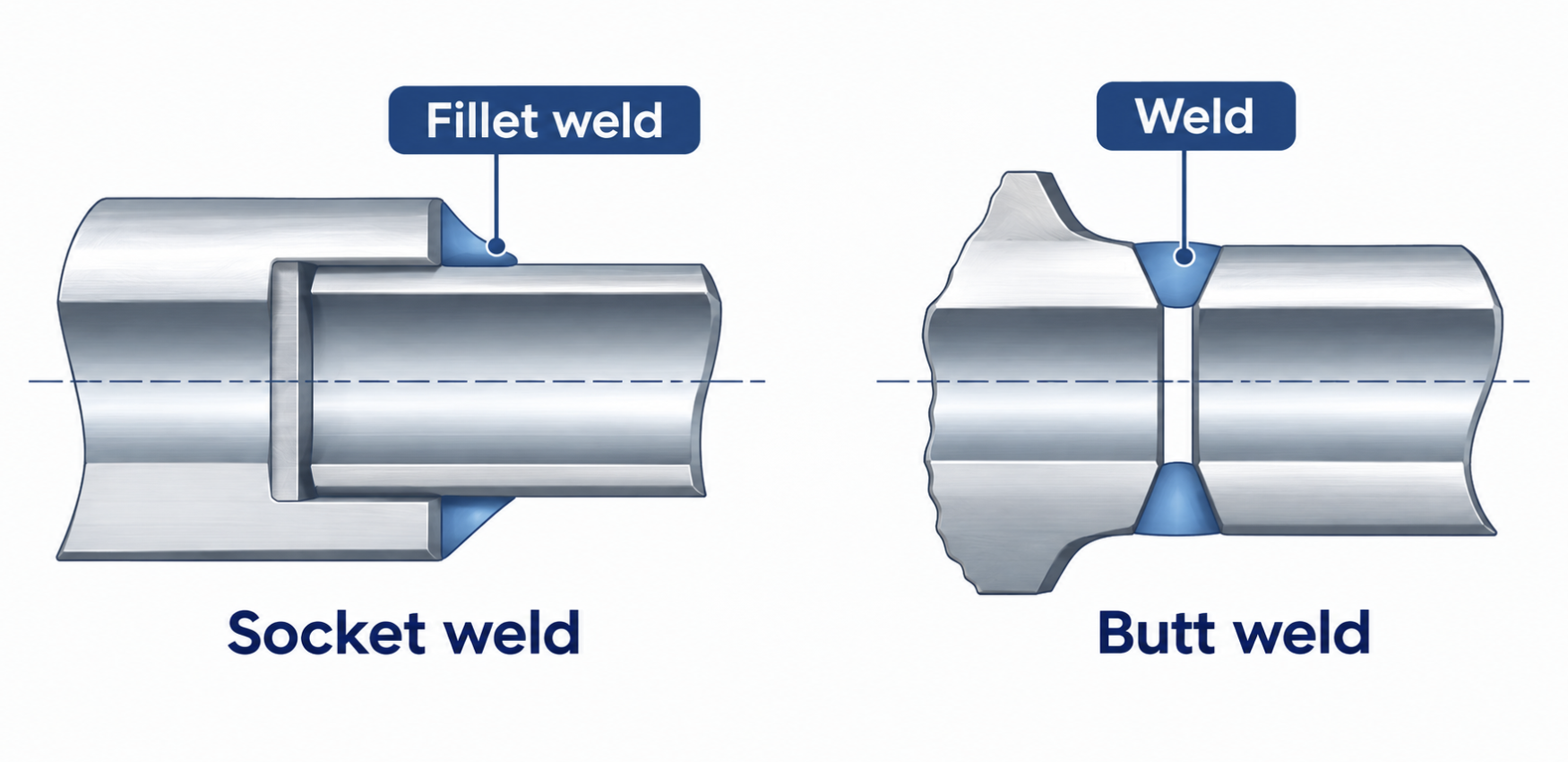
Butt Weld
The valve is permanently welded to the pipeline.
Advantages
- Maximum joint strength
- Excellent sealing
- Suitable for high-pressure service
Typical Applications
- Oil & Gas
- Power plants
- Petrochemical facilities
Socket Weld
The pipe is inserted into a socket before welding.
Advantages
- Strong connection
- Compact installation
- Suitable for small high-pressure pipelines
Which Connection Should You Choose?
|
Application |
Recommended Connection |
|---|---|
|
Municipal Water |
Flanged |
|
Fire Protection |
Grooved |
|
HVAC |
Grooved / Wafer |
|
Oil & Gas |
Butt Weld / Flanged |
|
Chemical Processing |
Flanged / Butt Weld |
|
Small Utility Lines |
Threaded |
|
High-pressure Pipelines |
Butt Weld |
|
Large Butterfly Valves |
Wafer / Lug |
Connection Standards Around the World
Valve connection preferences are generally driven by project standards rather than geography.
|
Region |
Common Standards |
|---|---|
|
North America |
ANSI / ASME, NPT |
|
Europe |
EN / DIN, BSP |
|
Japan |
JIS |
|
International Fire Protection |
Grooved (AWWA / FM / UL projects) |
Understanding local standards helps ensure compatibility with existing piping systems and simplifies procurement.
Conclusion
There is no single “best” valve connection. The right choice depends on operating conditions, maintenance strategy, pressure requirements and project standards.
By selecting the correct connection type early in the design process, engineers can improve installation efficiency, reduce lifecycle costs and increase system reliability.
Post time: Sep-15-2026