
Butterfly valves are widely used in industrial pipeline systems due to their compact design, reliable shut-off performance, and suitability for large-diameter applications.
They are commonly found in municipal water supply, wastewater treatment, HVAC, fire protection, oil & gas, power generation, and industrial process systems.
However, choosing the right butterfly valve requires more than selecting the correct size. Factors such as operating pressure, temperature, medium, sealing requirements, installation conditions, and maintenance needs all influence valve performance.
This guide explains the key factors engineers and EPC contractors should consider when selecting a butterfly valve.
What Is a Butterfly Valve?
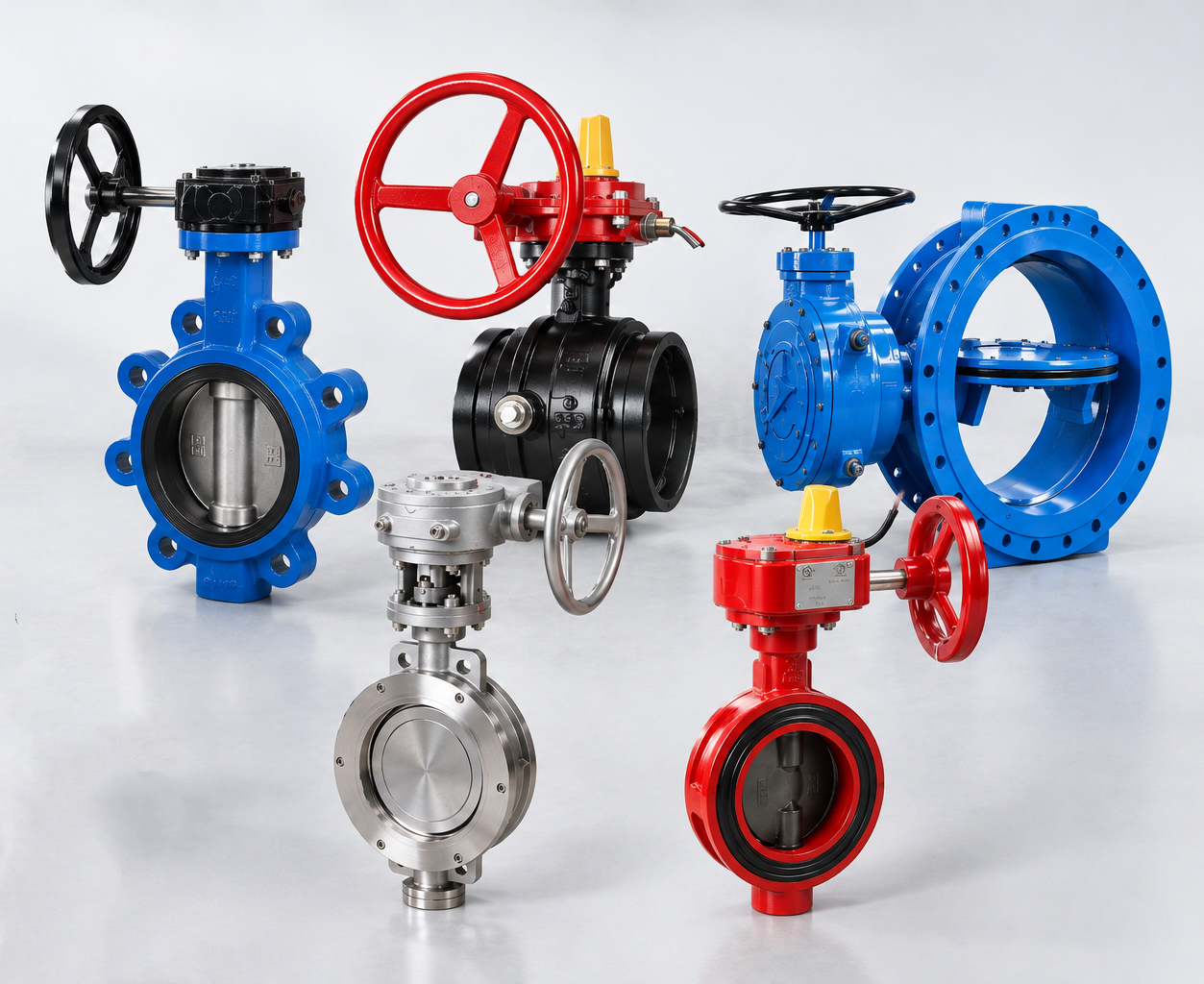
A butterfly valve is a quarter-turn valve that uses a rotating disc to control or isolate fluid flow. When the disc rotates 90 degrees, the valve opens or closes.
Compared with other isolation valves, butterfly valves offer:
- ✔ Compact structure
- ✔ Lightweight design
- ✔ Fast operation
- ✔ Lower installation space requirements
- ✔ Cost advantages, especially for large pipeline sizes
Main Types of Butterfly Valves
1. Wafer Butterfly Valve
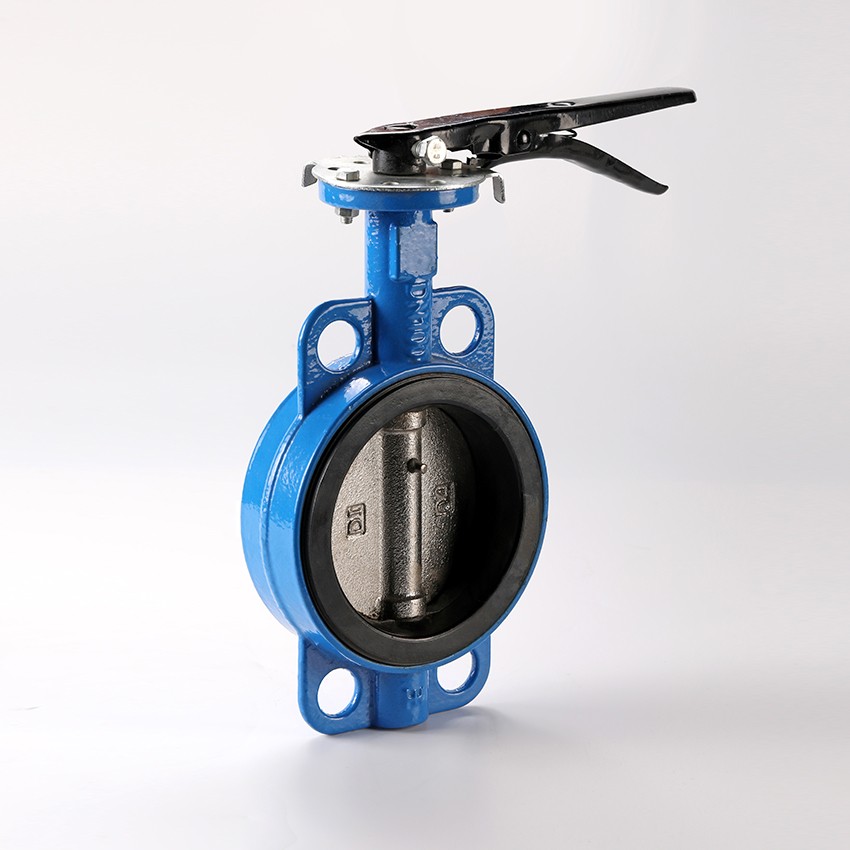
A wafer butterfly valve is installed between two pipe flanges and secured with flange bolts.
Advantages:
- Compact and lightweight
- Easy installation
- Economical solution for general applications
Common applications:
- Water supply systems
- HVAC pipelines
- Fire protection systems
- General industrial pipelines
2. Lug Butterfly Valve
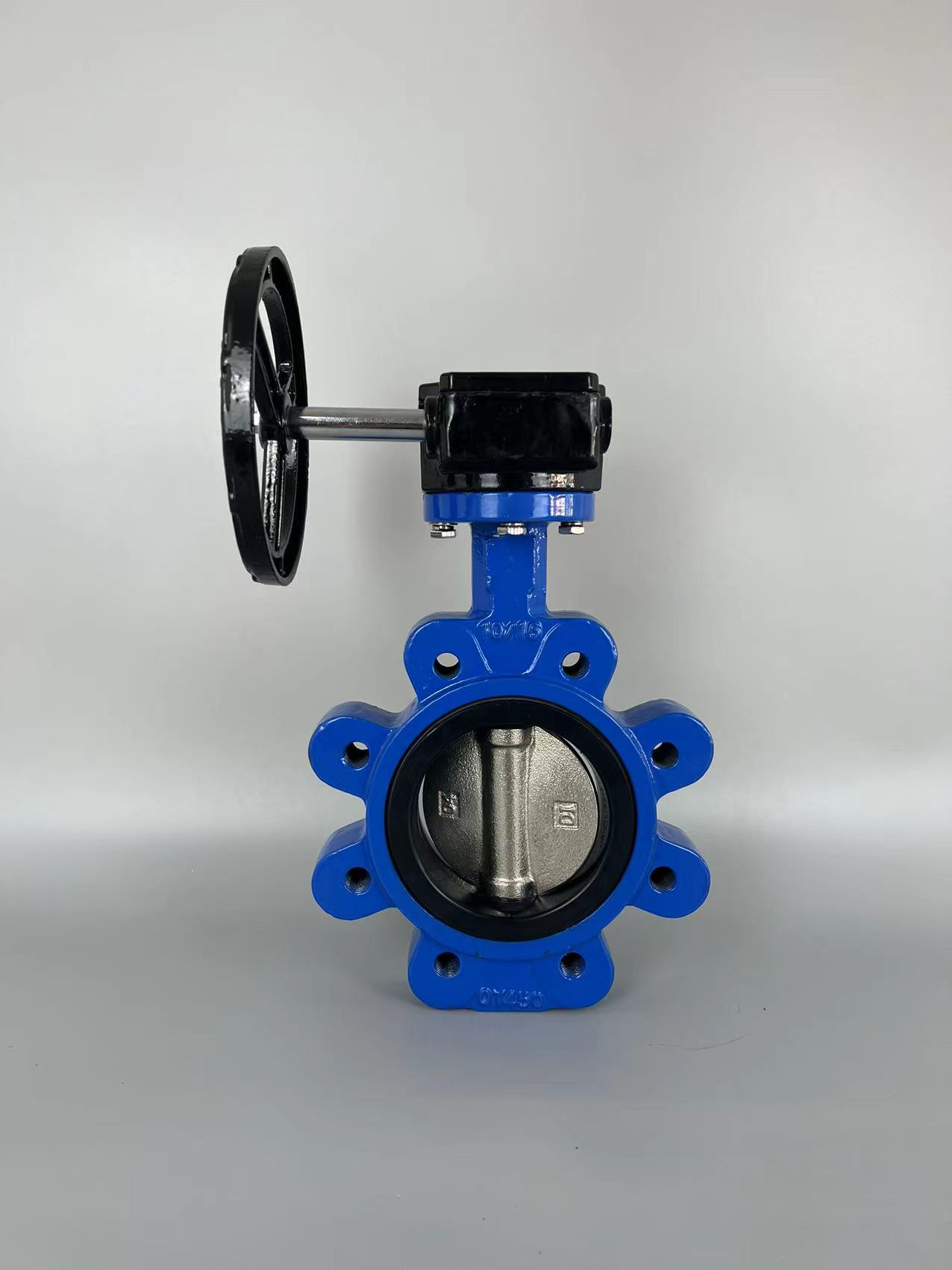
A lug butterfly valve features threaded inserts on the valve body, allowing each flange side to be independently connected.
Advantages:
- Suitable for end-of-line installation
- Easier maintenance and replacement
- Better flexibility for industrial applications
Common applications:
- Industrial process pipelines
- Chemical systems
- Large-scale infrastructure projects
3. Double Eccentric Butterfly Valve
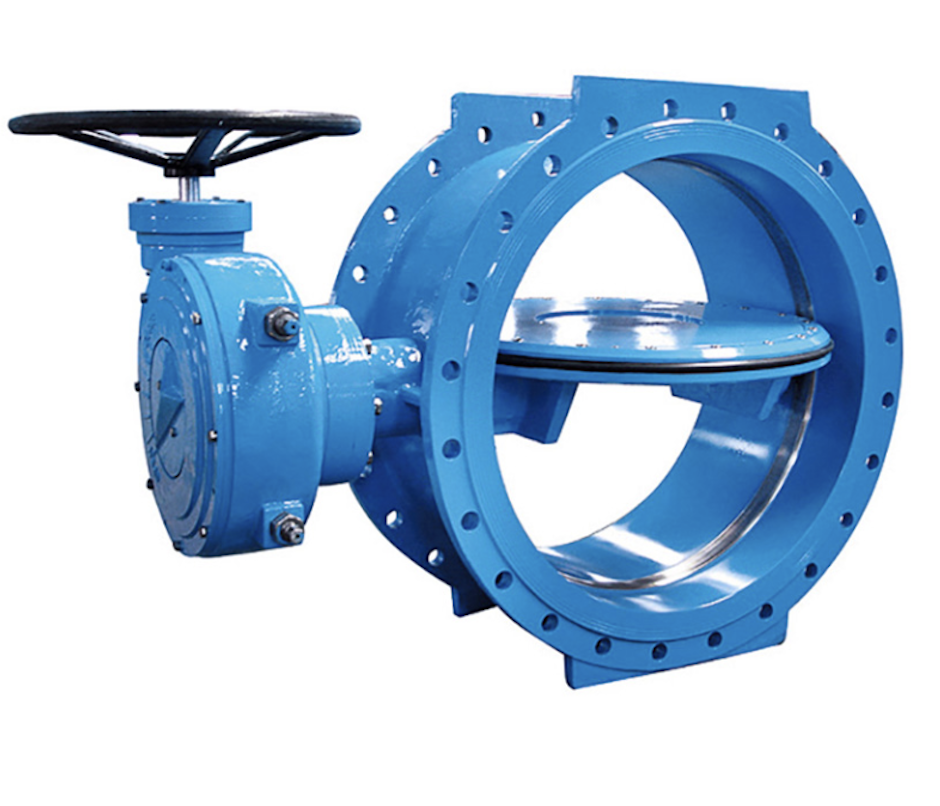
A double eccentric butterfly valve (high-performance butterfly valve) uses an offset disc design to reduce contact between the disc and seat during operation.
Advantages:
- Reduced seat wear
- Longer service life
- Improved sealing performance
- Suitable for higher pressure applications
Common applications:
- Water transmission pipelines
- Pump stations
- Power plants
- Industrial systems
4. Triple Offset Butterfly Valve
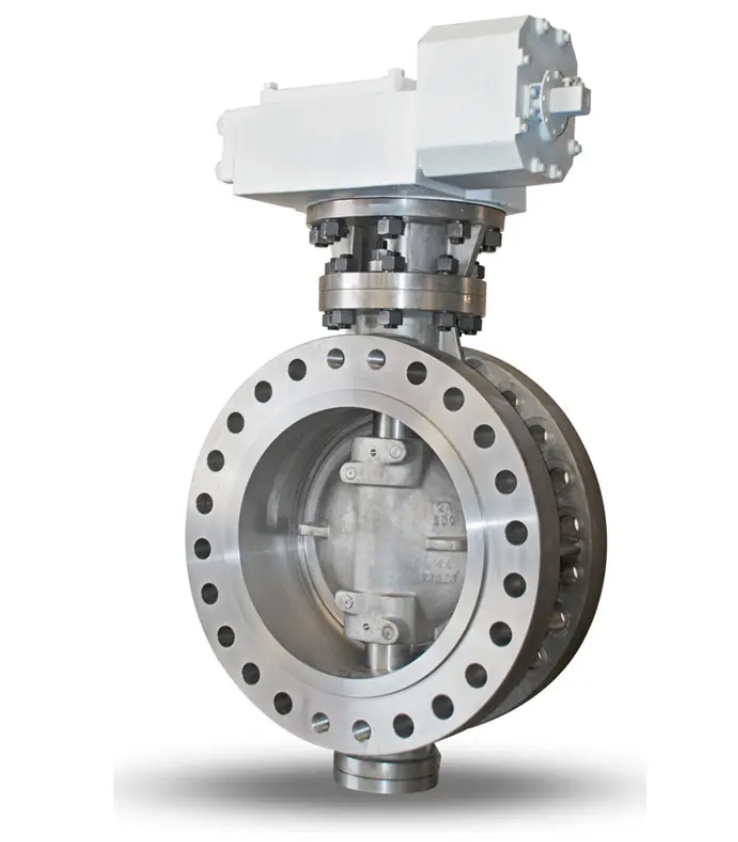
A triple offset butterfly valve, also known as a triple eccentric butterfly valve, uses three independent offsets to eliminate friction between the disc and seat during operation.
Unlike conventional butterfly valves, the disc moves away from the seat immediately after opening, reducing wear and improving sealing reliability.
Advantages:
- Metal-to-metal sealing design
- Excellent high-temperature performance
- Low operating torque
- Long service life
- Suitable for demanding applications
Common applications:
- Oil & gas pipelines
- Petrochemical plants
- Steam systems
- Marine applications
- Power generation facilities
Key Factors When Selecting a Butterfly Valve
1. Application and Medium
The valve material and sealing design should match the pipeline medium.
Examples:
- Water and wastewater → corrosion-resistant materials and suitable rubber seats
- Sea water → anti-corrosion materials
- Oil & gas → high-performance sealing solutions
- Steam and high-temperature service → metal seated designs
Incorrect material selection may cause leakage, corrosion, or reduced service life.
2. Pressure and Temperature
The selected butterfly valve must meet the pipeline operating conditions, including:
- Working pressure
- Maximum pressure
- Temperature range
- Pressure fluctuations
For demanding applications, double eccentric or triple offset butterfly valves are often preferred due to their improved sealing performance.
3. Connection Type
Common butterfly valve connection types include:
- Wafer type
- Lug type
- Flanged type
- Grooved type
The choice depends on:
- Pipeline design
- Installation requirements
- Maintenance needs
- Applicable standards
4. Application Requirements
| Application | Recommended Butterfly Valve |
|---|---|
| Municipal water | Wafer / Lug / Double eccentric |
| HVAC | Wafer butterfly valve |
| Fire protection | Approved butterfly valve |
| Oil & gas | Double eccentric / Triple offset |
| Marine systems | Double eccentric / Triple offset |
Butterfly Valve Selection: Common Questions
Butterfly Valve or Gate Valve — Which Is Better?
Butterfly valves are usually preferred for large-diameter pipelines where compact design, quick operation, and cost efficiency are important.
Gate valves are suitable when full bore flow and minimal pressure loss are the main requirements.
The best choice depends on the pipeline system and operating conditions.
How Do I Choose Between Double Eccentric and Triple Offset Butterfly Valves?
Double eccentric butterfly valves are widely used in water, HVAC, and general industrial applications.
Triple offset butterfly valves are designed for more demanding conditions, such as high temperature, high pressure, and critical shut-off applications in oil & gas, power, and marine industries.
Conclusion
Selecting the right butterfly valve requires a clear understanding of application conditions, pipeline requirements, and long-term operational needs.
From wafer and lug butterfly valves for general pipeline systems to double eccentric and triple offset butterfly valves for demanding industrial applications, the correct valve selection can improve system reliability, reduce maintenance costs, and extend service life.
BESTOP provides industrial butterfly valve solutions for water supply, fire protection, HVAC, oil & gas, marine, and infrastructure projects worldwide.
Post time: Oct-27-2026