
How to Choose Marine Valves for Shipbuilding Projects
Marine valves play a critical role in the safe and reliable operation of ships and offshore facilities. Whether used in ballast systems, seawater cooling, fuel transfer or fire protection, every valve must meet the technical and operational requirements of the project.
For shipyards, EPC contractors and marine equipment distributors, selecting a marine valve is not simply a matter of choosing the correct size or pressure rating. Procurement teams must also consider class approval, international standards, material compatibility, documentation and delivery capability. As classification societies continue to develop rules that support safety, digitalisation and decarbonisation, compliance has become an increasingly important part of marine equipment procurement.
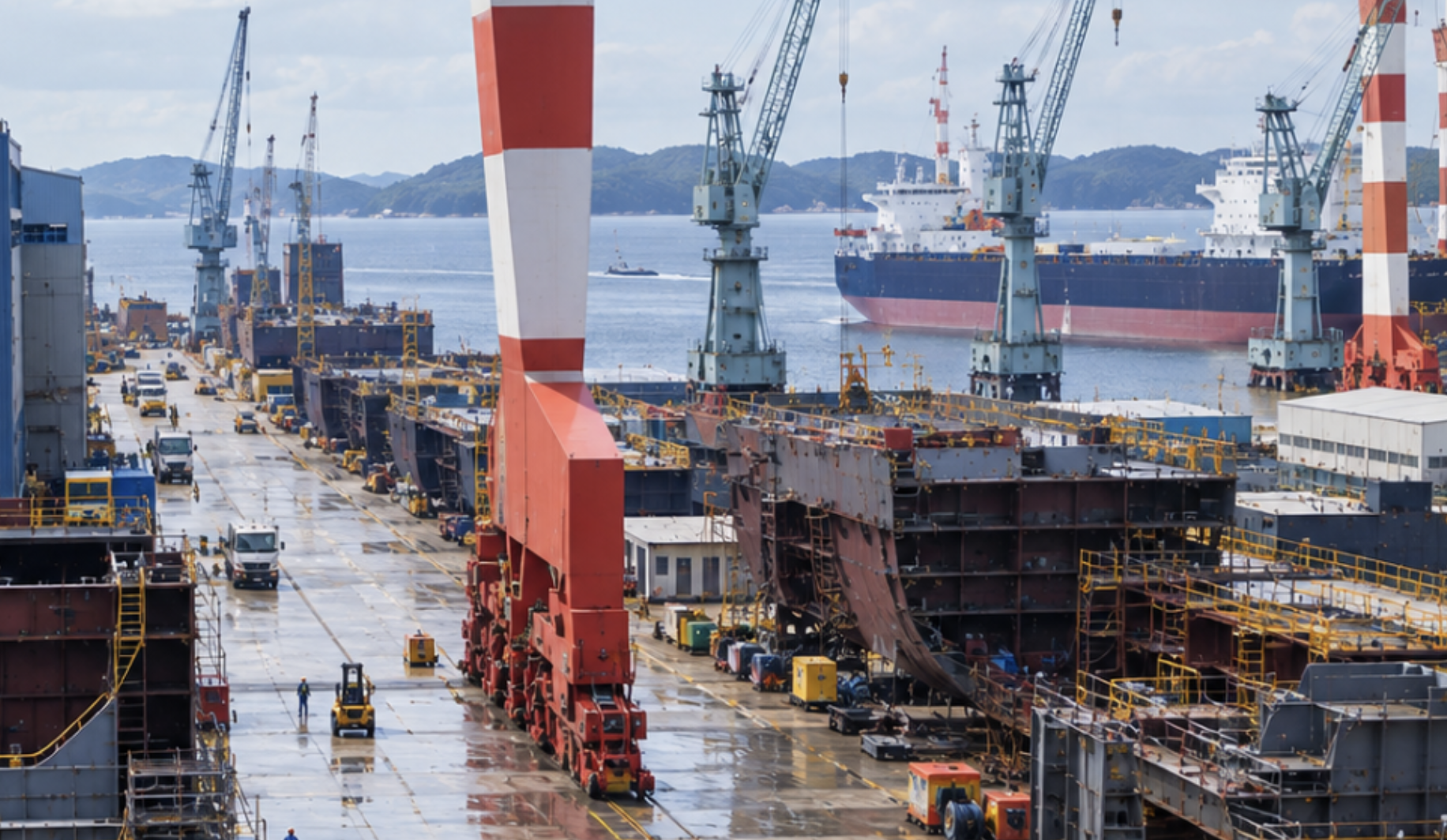
What Makes a Valve a Marine Valve?
Marine valves are designed for use in shipboard piping systems where equipment is exposed to vibration, humidity, seawater corrosion and continuous operation.
Compared with general industrial valves, marine valves are often required to satisfy additional requirements, including:
- Classification society approval
- Marine-grade materials
- Corrosion resistance
- Pressure and leakage testing
- Traceable manufacturing documentation
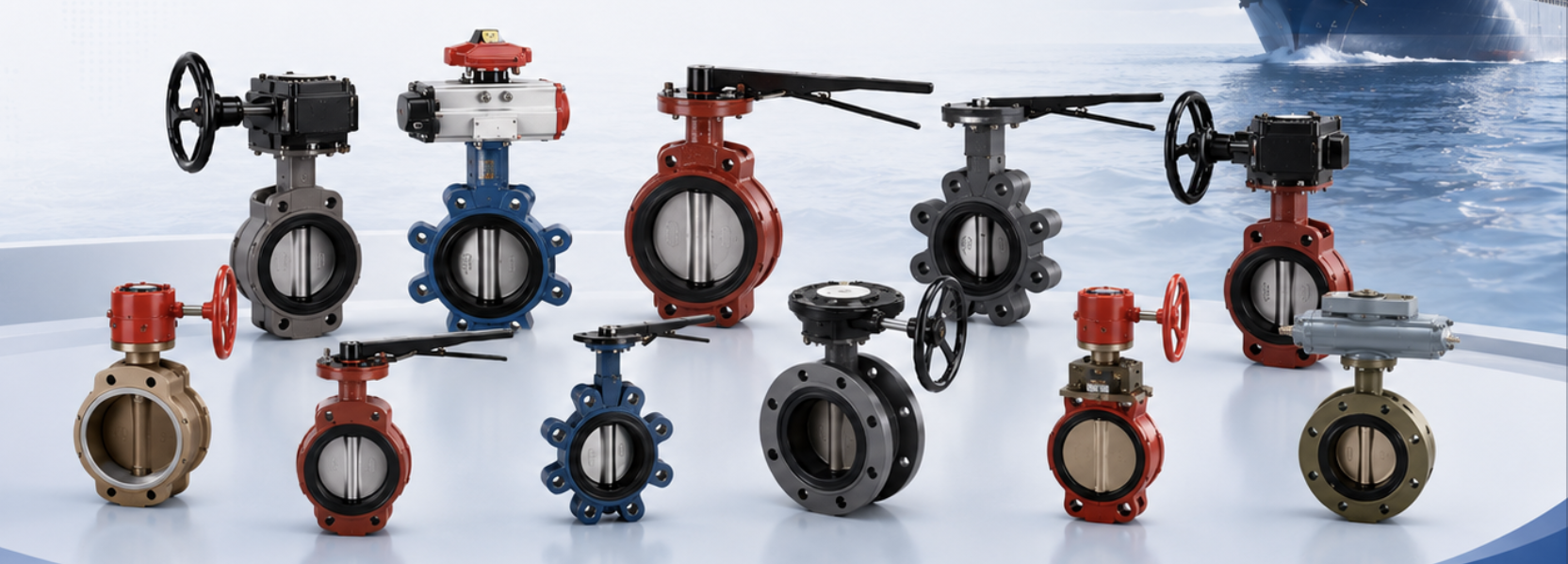
Depending on the application, marine valves may include butterfly valves, gate valves, globe valves, check valves, ball valves, strainers and other specialised valves.
Five Factors to Consider Before Purchasing Marine Valves
1. Class Approval Requirements
One of the first questions procurement teams should ask is:
Which classification society does this project require?
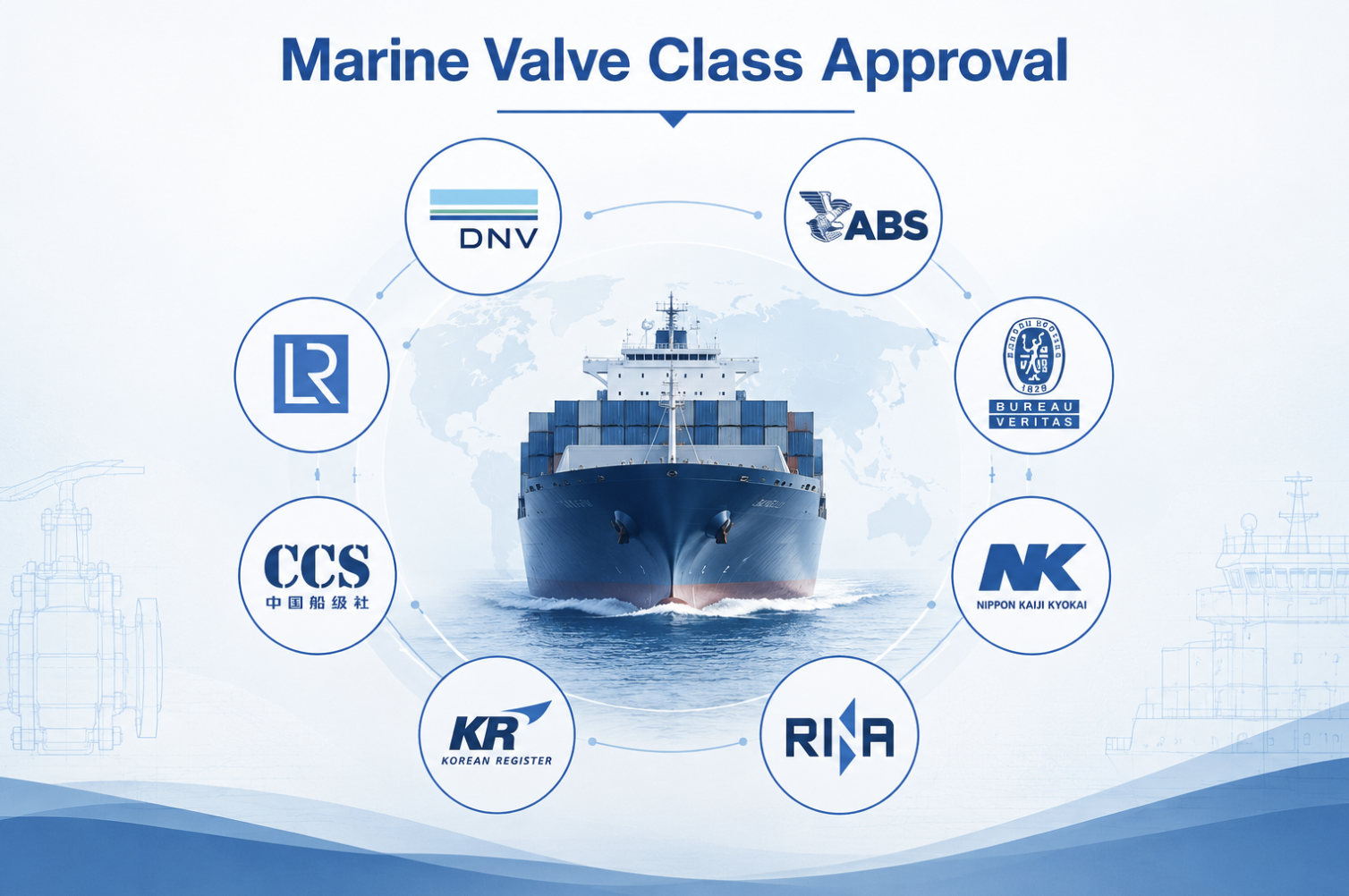
Many commercial vessels require valves approved by organisations such as:
- ABS
- BV
- CCS
- DNV
- KR
- LR
- NK
- RS
Type approval confirms that a valve design has been independently evaluated to meet the applicable marine requirements. For classed vessels, selecting products with the required approval helps avoid delays during inspection and commissioning.
2. Marine Standards and Connection Types
Different shipbuilding projects specify different standards. Typical requirements include:
- JIS Flanges
- DIN Flanges
- ANSI / ASME Flanges
- Wafer Butterfly Valves
- Lug Butterfly Valves
- Flanged Valves
Matching the valve connection to the ship’s piping specification reduces installation issues and improves compatibility.
3. Material Selection
| Application | Typical Material |
|---|---|
| Seawater | Bronze, Duplex Stainless Steel, Marine-grade Stainless Steel |
| Fresh Water | Ductile Iron with Epoxy Coating |
| Fuel Oil | Carbon Steel |
| Chemical Media | Stainless Steel |
4. Documentation Matters
- Material Test Certificate (MTC)
- Hydrostatic Test Report
- Certificate of Conformity (CoC)
- Class Approval Certificate
- Inspection Records
5. Supply Capability
A one-stop supply approach can help reduce procurement complexity, improve schedule coordination and simplify communication.
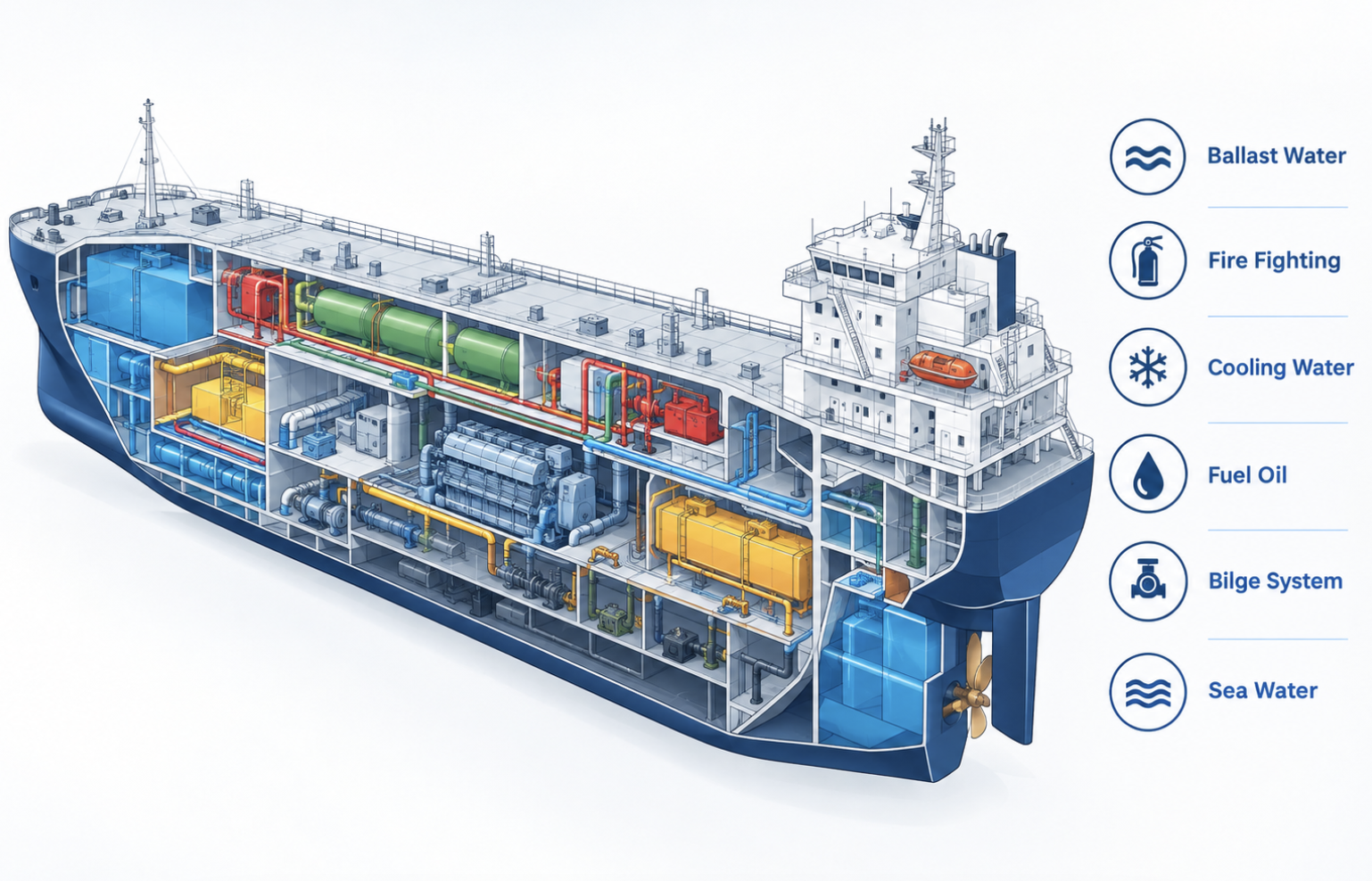
Common Applications for Marine Valves
- Ballast Water Systems
- Cooling Water Systems
- Fire Fighting Systems
- Bilge Systems
- Fuel Oil Systems
- Cargo Piping
- Offshore Platforms
- FPSO Projects
- Shipbuilding
- Ship Repair
Choosing the Right Marine Valve Supplier
- Availability of multiple class approvals
- Compliance with international standards
- Consistent product quality
- Complete inspection documentation
- Stable production capacity
- Experience supporting international shipbuilding
Conclusion
Marine valve selection is a combination of engineering, compliance and supply chain management. Considering class approval, standards, materials, documentation and supply capability at the beginning of a project can help avoid delays and improve long-term system reliability.
FAQ
Do all marine valves require class approval?
Not all valves require class approval, but many valves installed on classed vessels must comply with the requirements specified by the shipowner, shipyard or classification society.
Which valve types are commonly used on ships?
Butterfly valves, gate valves, globe valves, check valves, ball valves and strainers are among the most common valves used in marine piping systems.
Post time: Sep-28-2026